
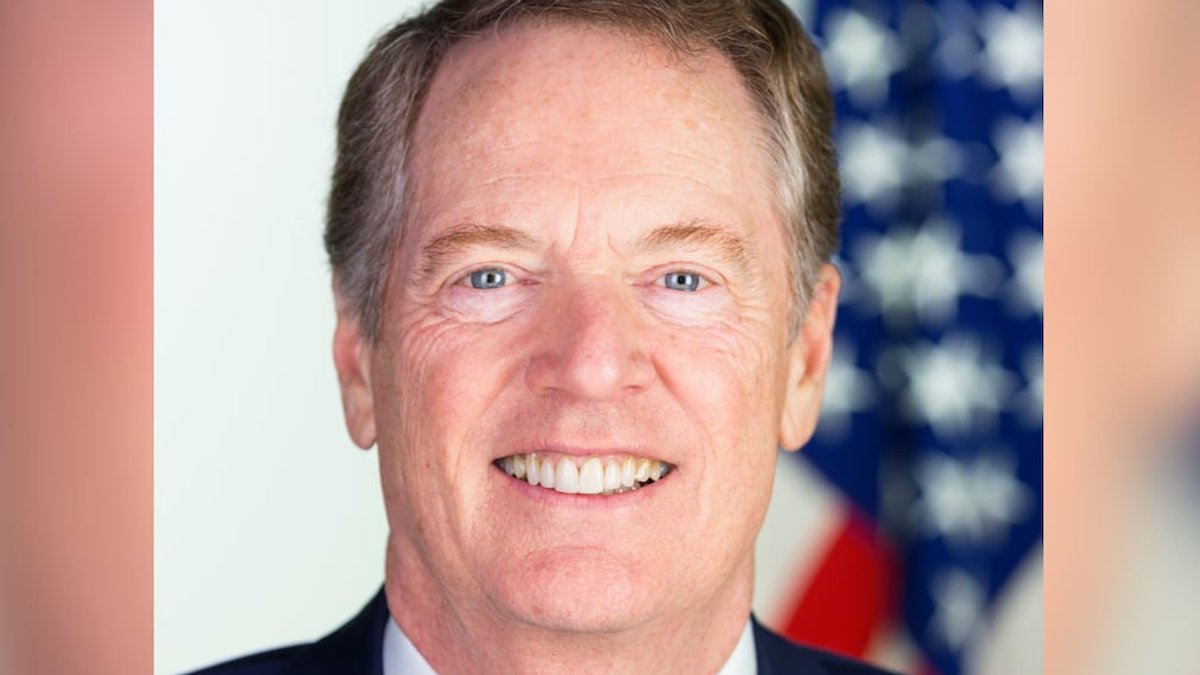
Former U.S. trade chief Robert Lighthizer warned that ending the United States‑Mexico‑Canada Agreement would hurt both sides, saying a crippled Mexican economy would be “very bad for the United States.”
Why Lighthizer Opposes a Full Collapse of the Deal
During a recent Foreign Affairs podcast, the ex‑representative argued that the agreement still serves strategic interests even as it faces a formal review. He noted that a “paralysis” of Mexico’s economy would undermine U.S. goals, especially given the sizeable trade shortfall the United States runs with its southern neighbor.
“We have to find ways to cut that shortfall without shutting down Mexico’s economy,” Lighthizer said. “If we cripple Mexico, we also hurt ourselves.” The comment reflects a broader view that the three‑nation bloc shares “economic, geographic and social interests that you don’t find with other trade partners.”
He also pointed out that the current shortfall is “quite large,” and that addressing it will likely involve tariffs, but not at the cost of regional integration. The former trade chief stressed that any redesign of the pact must keep the flow of goods across the border intact.
The deal remains under review.
Related: Strong storms hit Mexico City transport
Specific Changes Lighthizer Suggests
Lighthizer said the renegotiation should boost the proportion of North‑American content in manufactured goods. He argued that many Mexican exports contain components from China, diluting the intended regional benefit. “We need more Mexican content in the goods that come from Mexico,” he explained, adding that stricter rules of origin could reduce reliance on Asian inputs.
He also suggested revisiting the “substantial transformation” concept to keep supply chains within the continent. While acknowledging that investment shifts from China to Mexico have increased the bilateral trade volume, he noted that trend works in America’s favor because it lowers the shortfall with China even as it raises the one with Mexico.
“If a plant moves from China to Mexico, the deficit with Mexico goes up and the deficit with China goes down. That’s in U.S. interest,” he added.
In the midst of these technical discussions, the former official expressed confidence that political will exists on both sides. He highlighted U.S. Trade Representative Jamieson Greer and Mexican Economy Secretary Marcelo Ebrard as capable negotiators. “I find it hard to believe they can’t resolve this,” Lighthizer said, adding that the current Mexican president, Claudia Sheinbaum, is “one of the smartest world leaders on today’s stage.”
His optimism may appear at odds with the fact that the United States still runs a trade gap with Mexico that some lawmakers view as untenable. Yet his stance suggests a pragmatic approach: adjust tariff levels and content rules rather than discard the whole framework.
Related: Bangladesh boosts creative economy through tourism
From a practical standpoint, the changes could mean that a Mexican‑made car sold in the United States would need a higher share of parts sourced from either the United States or Canada. That shift would likely raise production costs for manufacturers but could also create new jobs in the northern part of the continent, a trade‑off policymakers will have to weigh.
Reactions From the Business Community
Industry voices have echoed a similar sentiment. Daniel Becker, chief executive of Grupo Financiero Mifel, recently posted that the ongoing talks indicate Washington’s aim to “redefine the terms of regional integration, not dismantle it.” He added that the immediate outlook for Mexico is “reasonably constructive.”
Analysts note that the push for greater regional content aligns with broader U.S. efforts to limit dependence on Asian supply chains. The emphasis on “security of supply” has become a recurring theme in recent trade policy discussions, and the T‑MEC review could become a testing ground for those ideas.
While the negotiations continue, the core message from Lighthizer remains clear: a stable, prosperous Mexico is a prerequisite for U.S. economic health, and any attempt to undermine that stability would be counterproductive.


Leave a Reply