
Autos that float, rotate on their own wheels, and learn to drive themselves were once science fiction. Now, Chinese manufacturers are putting these capabilities into production, moving the industry from mechanical engineering to software-defined vehicles.
BYD and the shift to software
BYD, whose name translates to “Build Your Dreams,” is a leader in this transition. The company’s executive vice president, Stella Li, argues that mobility is being redefined. She states that the car is becoming a “computer on wheels” where software and artificial intelligence are the key value drivers.
The brand’s performance lineup also features the Yangwang U8. This high-tech electric off-roader has four motors producing 1,100 horsepower and seats seven. It is capable of moving on every surface, including rocks and dunes, as well as rotating on itself, wading up to 140 cm, and occasionally floating.
Read Also: Classic tailoring teams with denim this autumn
Capabilities that defy physics
Geely’s Starray EM-i Superhybrid blends accessible luxury with a clean aesthetic. The crossover’s interior surprises buyers with style and tactile quality upon opening the doors. Zeekr, founded in 2021, focuses on electric sports cars like the 001. The model is 4.96 meters long, offers up to 544 horsepower, and has a range of 600 kilometers. Production is guided by artificial intelligence. The 800-volt architecture allows for rapid charging, restoring 200-300 km in 10-13 minutes.
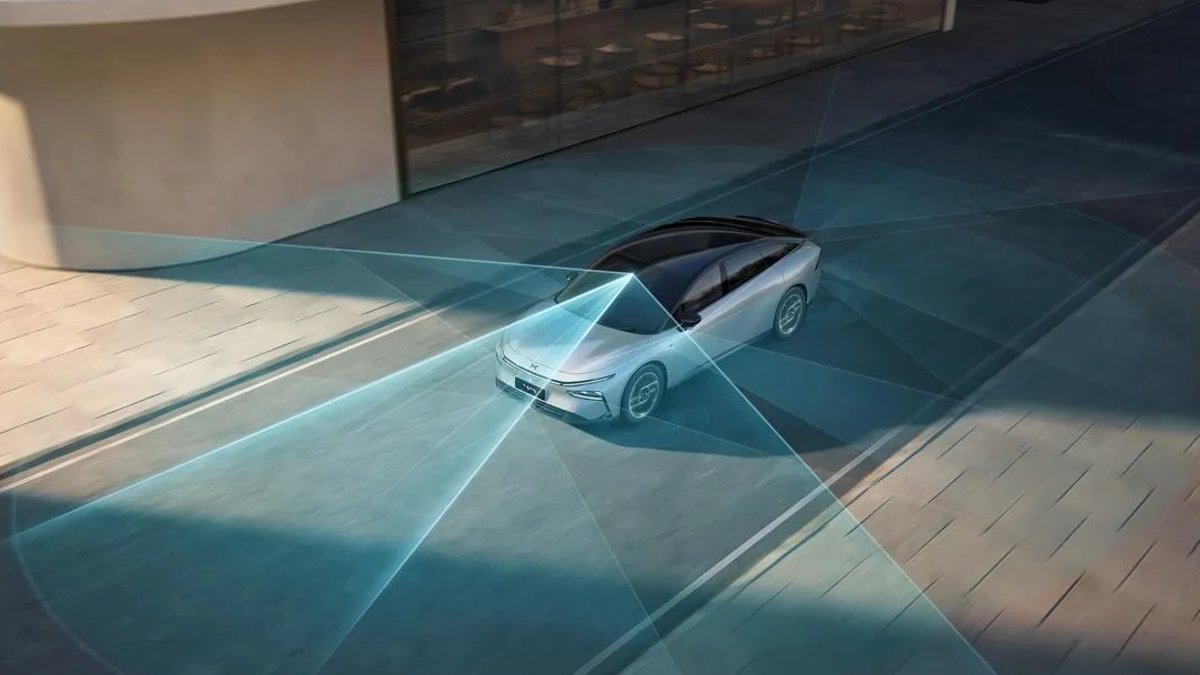
Chinese manufacturers are also integrating advanced AI into their software stack. Xpeng recently expanded its global presence. At a launch event in Monaco, CEO He Xiaopeng described the technology as a “turning point.” The Xpeng P7+, a fastback electric built by Magna Steyr in Graz, uses proprietary AI Turing chips. The architecture updates remotely, evolving over time.


Leave a Reply