
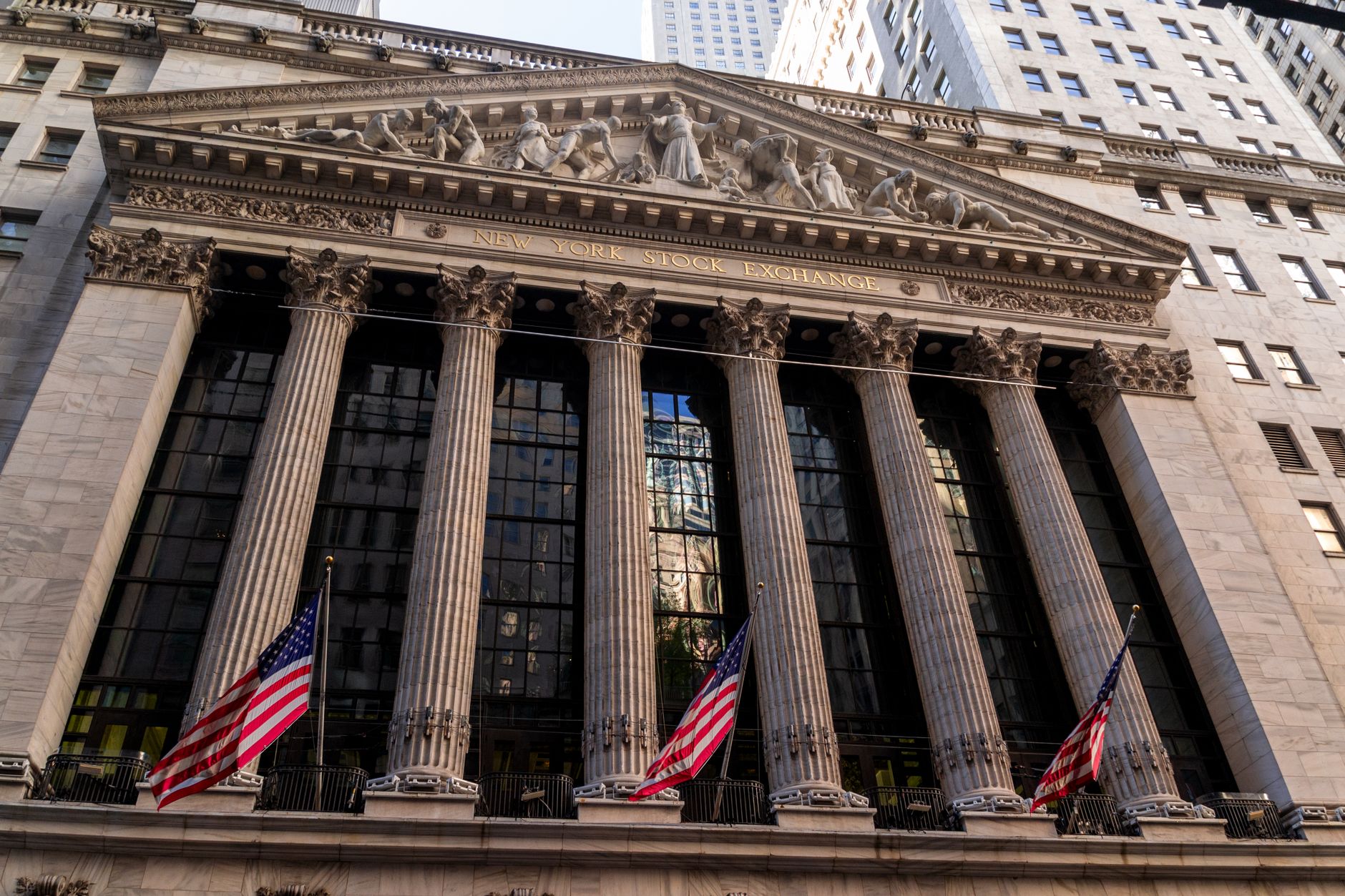
The S&P/TSX composite climbed nearly 100 points on Wednesday, buoyed by a rally in financial stocks that offset losses in basic materials and technology shares, while U.S. exchanges also posted gains.
Index gains and market tone
At the close, the index stood at 35,416.20, up 95.66 points. The reaction was described as muted after the central bank announced it would keep its policy rate unchanged. The benchmark remains at 2.25 percent following a sixth consecutive hold, a decision that matched most economists’ expectations.
Governor Tiff Macklem said the current level is intended to bring inflation back to the 2 percent target and support the recovery, though the council stays ready to adjust if needed. He added that global energy markets will continue to shape the outlook, noting that higher gas prices could prompt further tightening.
U.S. data and geopolitical backdrop
New American data showed a slowdown in producer‑price inflation. The Labor Department reported a 0.3 percent drop from May to June, with the year‑over‑year rate easing to 5.5 percent. Core wholesale prices, which exclude food and energy, rose 4.7 percent annually and 0.2 percent from the previous month.
That easing helped lift the Dow Jones industrial average by 150.37 points to 52,658.64, while the S&P 500 added 28.81 points to settle at 7,572.40. The Nasdaq composite rose 162.22 points to 26,269.23.
Related: Islamic finance goes mainstream worldwide
In Toronto, the Canadian dollar edged higher to 71.18 cents US, compared with 71.09 cents the day before. Crude oil for August settled at US$79.60 per barrel, up 26 cents, and gold fell US$17.90 to US$4,051.80 an ounce.
Analysts noted that any disruption to oil flows through the Strait of Hormuz could push prices upward, adding inflationary pressure. Conversely, softer‑than‑expected producer‑price numbers reduce the likelihood of near‑term rate hikes, which is generally favorable for equities.
Kevin Burkett of Burkett Asset Management highlighted the difficulty of cutting rates when currency effects come into play, saying a significant rate differential with the United States could weaken the domestic currency and import inflation. He also pointed to the “unknowables” surrounding the conflict in Iran and its potential impact on the broader economy.
Overall, the day’s moves suggest that investors are balancing the mixed domestic data with external risks, keeping a close eye on both inflation trends and geopolitical developments.
Investors remain cautious.


Leave a Reply