
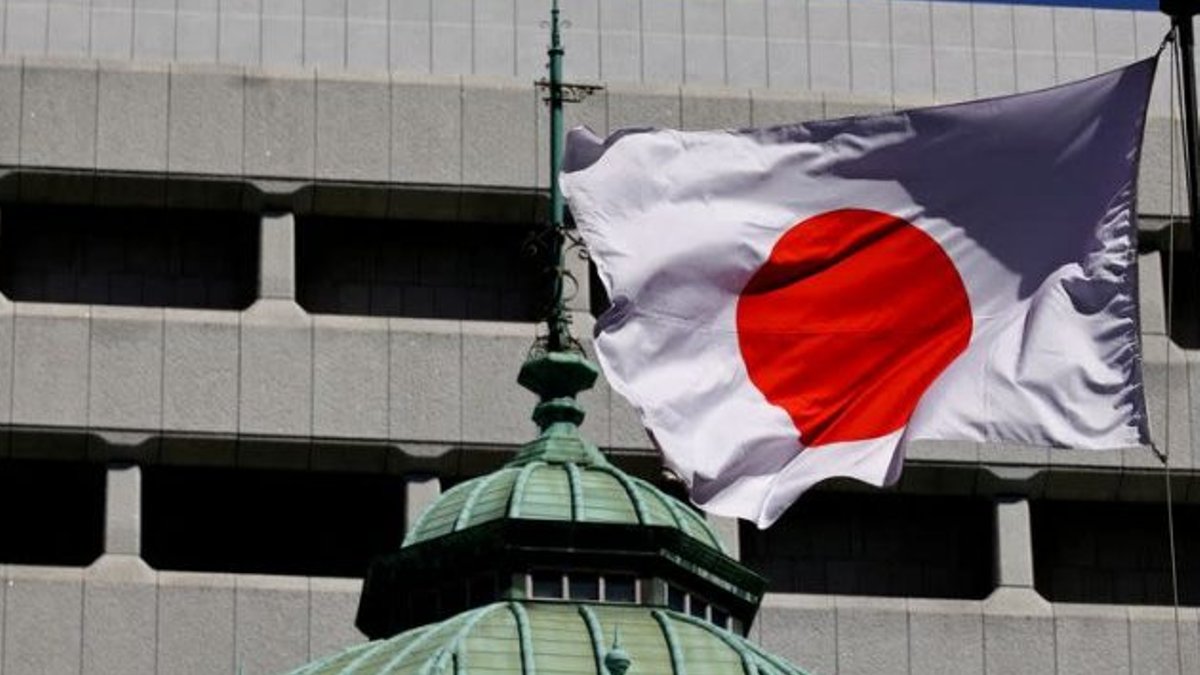
Markets in Asia rebounded on Friday, with the Japanese yen and government bond yields recovering after a turbulent week. Investor concerns had been heightened by escalating Middle East tensions, which drove oil prices up by around 10% and fueled inflation worries.
Comments from Federal Reserve officials helped ease fears of an imminent US interest rate hike. New York Fed chief John Williams and governor Christopher Waller both emphasized a data-dependent approach, particularly regarding August inflation figures. Waller highlighted that his decision for the September 16 policy move would be guided by incoming data, stating that a softer reading would edge him towards holding rates.
Fed Officials Calm Markets
Waller stated his decision would hinge on incoming data. “If there is continued progress toward our 2% goal, then I am willing to support holding the policy rate at its current level,” he said, adding, “But if inflation comes in hot, I would consider a rate hike.” Williams noted recent encouraging inflation trends and mentioned that the effects of tariffs were beginning to fade, contributing to the downward trend in inflation. Their comments were key in tempering market anxieties, especially after Fed chief Kevin Warsh’s unexpected suggestion the previous week that the bank might hike rates.
These remarks followed US President Donald Trump’s indication that the recent bombing campaign against Iran would be brief, which helped push oil prices down. This shift alleviated concerns about government debt costs and corporate borrowing for AI investments, as the prospect of prolonged conflict had weighed heavily on market sentiment. The combination of Fed officials’ reassurances and Trump’s comments created a more stable environment for investors.
Asian Markets Rally
The yen strengthened to 155.30 per dollar, up from 160.40 earlier in the week, amid speculation of a Bank of Japan interest rate hike this month. Paresh Upadhyaya of Pioneer Investments suggested the BoJ might accelerate its hiking pace, following July’s joint US-Japan intervention. The currency’s rebound was also fueled by expectations of further policy action, with Upadhyaya noting, “We are finally seeing a follow-through to intervention by some meaningful expectation on the policy front.”
Global Market Snapshot
Key figures included: Tokyo’s Nikkei 225 up 1.3% at 65,020.94, Hong Kong’s Hang Seng up 1.7% at 25,650.87, and Shanghai’s Composite down 0.3% at 3,930.12. London’s FTSE 100 edged up 0.1% to 10,838.24, while Paris and Frankfurt retreated at the open, reflecting mixed sentiment in European markets. In the US, all three main indexes ended well up, with the Dow and Nasdaq adding more than 1%, closing at 53,686.11.
Oil prices dipped, with West Texas Intermediate down 0.7% at $90.71 per barrel and Brent North Sea Crude down 0.6% at $94.98. The dollar/yen rate rose to 156.24 yen from 155.74 yen on Thursday, reflecting the yen’s continued strength. Investors were also eyeing the release of US non-farm payrolls figures later on Friday and the consumer price index next week, both of which are critical indicators for the Fed’s upcoming decisions.


Leave a Reply