
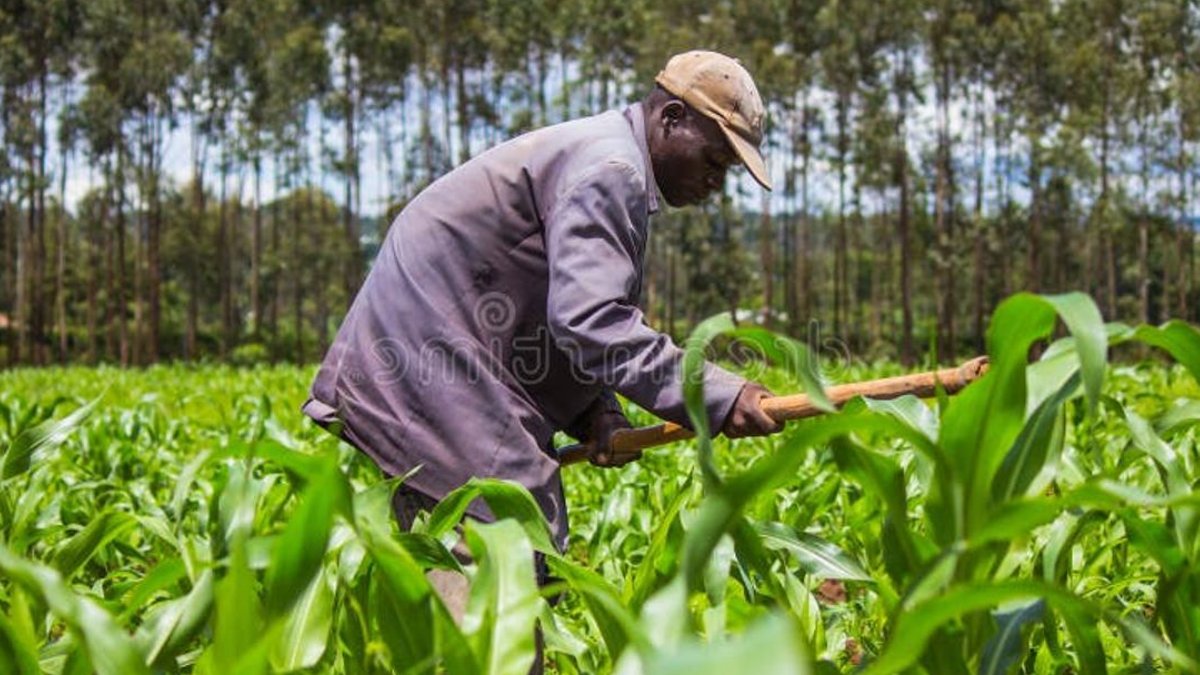
The Kenyan government has introduced a Sh6 billion package to subsidize 40 million kilogrammes of certified maize seed, aiming to support farmers affected by a poor harvest in the Rift Valley. This initiative reduces the price of certified maize seed by half, with a kilogramme now costing Sh150, down from Sh300.
A 2kg packet of maize seed will cost Sh300, down from Sh600, while a 10kg bag will retail at Sh1,500, down from Sh3,000. A 25kg bag will fall to Sh3,750 from Sh7,500. The government will absorb the difference and distribute the seed through designated outlets, including the National Cereals and Produce Board.
President William Ruto announced the new pricing during a tour of the Coast region, framing it as part of a broader shift in agricultural policy. The government is moving from subsidizing consumption to subsidizing production, by lowering the cost of inputs so that farmers can produce more and strengthen national food security.
Read Also: Frasers Group launches luxury division for global expansion
The new seed prices will take effect next month and will be supplied through the Kenya Seed Company, which produces about 36 million kilogrammes annually. The company will meet the national demand of roughly 40 million kilogrammes; the shortfall will be met by private seed producers.
The seed subsidy builds on an existing fertiliser subsidy programme, which has cost the Exchequer Sh78.79 billion since its introduction in 2022. Agriculture Cabinet Secretary Mutahi Kagwe said 33.5 million 50-kilogramme bags of subsidised fertiliser have been distributed, reaching approximately 1.98 million farmers. A further Sh500 reduction has just been applied, bringing the cost of a 50kg bag down to Sh2,000, from roughly Sh7,500 before the programme began — a cumulative drop of 73 per cent since 2022.
Impact on Farmers and Food Security
Government data shows that annual maize production rose from 34.3 million bags in 2022 to 73 million bags in 2025, with output climbing from 3.087 billion kilogrammes to 6.57 billion kilogrammes over the same period. This represents a reported reduction in maize imports of 66.5 per cent.
However, production this year had been projected to reach 77 million bags, but uneven rainfall has left some of the country’s major growing zones facing crop failure, threatening that target. The human cost behind the statistics is visible in Nakuru County, where brokers have reportedly set up camp in the South Rift to buy up what little maize farmers have managed to salvage from a lower harvest this season.
Read Also: La Vendemmia launches citywide tasting route in Milan
In practice, this development means that farmers will have to rely on the subsidised seed and fertiliser to recover from the poor harvest. The subsidy may provide temporary relief, but it does not address the underlying issues of drought and rainfall variability that are driving crop failure in the North Rift, South Rift, and parts of Narok and Nakuru counties.
As the programme rolls out, the government will need to address the concerns around fiscal sustainability, distributional effectiveness, and climate resilience investment. The subsidy is a step in the right direction, but it is only one part of a broader strategy to address the complex issues affecting food security in Kenya.
Questions remain about the programme’s fiscal sustainability. The cumulative fertiliser subsidy spend is a significant claim on the budget. The government has not disclosed the current tranche’s cost. Distributional effectiveness is also a concern, as subsidised input prices are only as good as a farmer’s access to them.


Leave a Reply