
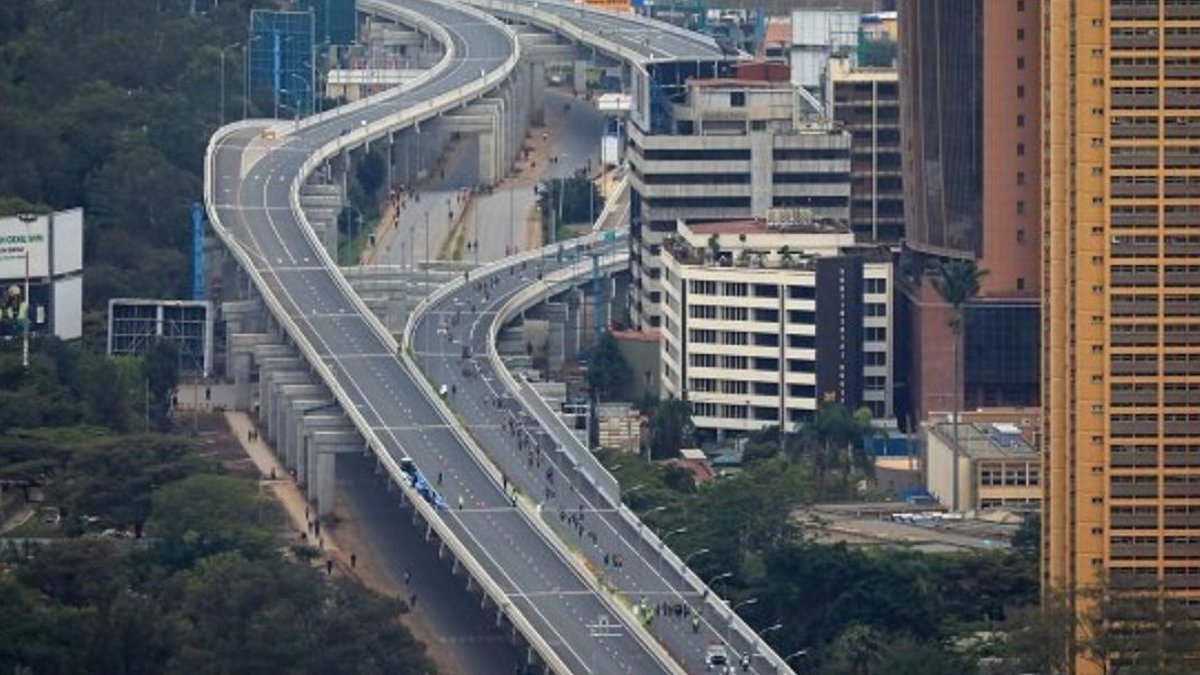
Kenya’s road debt crisis escalated by April last year, when unpaid contractor invoices totaled Sh188 billion, leaving 580 projects stalled. The government’s solution involved a financial maneuver: converting future fuel-levy revenue into tradable debt to free up immediate funds. CS Davis Chirchir’s admission to Parliament that stalled work resulted primarily from contractors abandoning sites due to payment delays—a situation auditors had repeatedly flagged for years.
The securitization process converts part of the Sh25-per-litre Road Maintenance Levy into debt instruments. To date, Sh7 of that levy has been securitized, raising approximately Sh175 billion through the Kenya Roads Board. Of this amount, over Sh132 billion has been distributed to agencies including KeNHA, KeRRA, and KURA. The Cabinet has since authorized securitizing an additional Sh5 per litre, meaning Sh12 of every Sh25 collected at the pump now covers debt servicing instead of routine maintenance.
This strategy turns a short-term debt crisis into a prolonged revenue strain. For the next decade, an increasing portion of fuel-levy income will be directed toward debt payments rather than road repairs. Two recent issues amplify these risks. First, the Auditor-General discovered a Sh7.3 billion misallocation from the securitized fund to compensate a French consortium after the unlawful termination of the Nairobi-Nakuru-Mau Summit contract. That expenditure violated the fund’s intended use, paying verified contractor claims, and creates a precedent that could erode public trust in the system.
The second concern involves political efforts to reduce levy allocations. Treasury has proposed cutting the share of the levy sent to the Road Annuity Fund by half, a move intended to lower fuel prices but one that directly clashes with existing debt obligations. The conflict between short-term cost relief and long-term financial commitments has now become a central issue.
While the Sh68 billion allocated in the 2026/27 budget for verified claims under Sh100 million provides limited relief, it represents only a fraction of the Sh636.7 billion in total pending bills identified by the government’s verification committee. Contractors who have waited six to nine years for payment report restored cash flow and reopened stalled projects. However, taxpayers and motorists now face a decade of fuel-levy revenue diverted to debt, a temporary solution that does not resolve the underlying problems in procurement and cash management.


Leave a Reply