
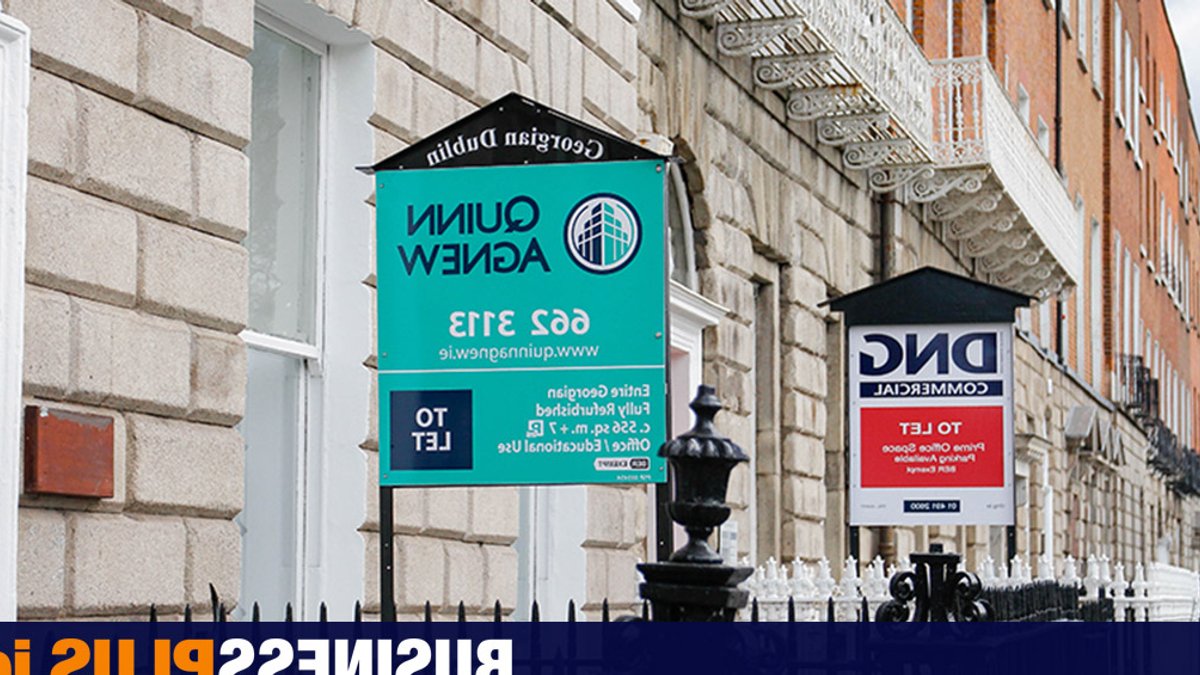
The national commercial vacancy rate slipped to 14.5% in the second quarter, marking the first year‑on‑year decline since data collection began in 2013, according to a joint report by GeoDirectory and EY.
Regional gaps widen
Western and north‑western areas still bear the brunt of emptiness, with roughly one in five sites idle in Donegal at 20.7%, the highest level nationwide. Sligo (20.2%) and Galway (18.6%) follow, while both Leitrim and Limerick sit at 18.1%.
Conversely, the southeast shows tighter markets. Meath posted the lowest figure at 9.9%, the only county under the 10% mark. Wexford, Westmeath, Kerry and Cavan rounded out the next‑lowest rates, each staying above nine percent.
A total of 30,611 commercial properties were recorded as vacant. Thirteen counties saw the figure rise, twelve experienced a fall and Cavan remained unchanged.
Related: Kerry underground pub wins Bar of the Year award
“The national commercial vacancy rate has edged down slightly to 14.5%, marking our first year‑on‑year drop since GeoDirectory began reporting on this data in 2013, the broader picture remains one of significant local variance,” said Dara Keogh, CEO of GeoDirectory.
Simon MacAllister, partner at EY Ireland, noted, “While the decline in the national commercial vacancy rates is modest, it is significant as it marks a break from a long period of steadily rising commercial vacancies since 2013.” He added that the data “highlights a growing divide between areas benefiting from population growth, employment and investment, particularly in the East, and those that continue to face challenges sustaining commercial activity, especially in the West and Northwest.”
For shop owners and landlords on the ground, the modest dip may feel like a brief reprieve, but the underlying pattern still points to uneven demand. Those operating in counties with rates above 20% will likely need to rethink tenancy terms or diversify use to stay viable, while businesses in lower‑rate zones might find negotiating power improving.
Sector composition shifts
The services segment still occupies the largest share of active premises, accounting for 49.5% of the total with 75,305 units, even though it shed 457 locations compared with the previous year.
Related: Pati Chapoy booed at Cristian Castro concert
Retail and wholesale together represent 21.7% of occupied space, down 434 units to 33,013. Health‑related properties hold 9.6%, encompassing 14,652 sites.
Within services, accommodation and food services dominate, tallying 22,042 units but losing 439 spots year‑on‑year. Coastal counties such as Kerry (23.7%), Clare (20.3%) and Donegal (18.9%) rely heavily on this segment, whereas Monaghan sits at the low end with 8.2%.
Dublin’s capital market showed mixed signals. The citywide vacancy level fell to 13.3%, a 0.6‑point drop from the prior year. Dublin 8 posted the highest district figure at 17.6%, followed by Dublin 9 (16.8%) and Dublin 3 (16.5%). Dublin 2 improved sharply, shedding 4.3 points to reach 14.1%.
On the town scale, Shannon in County Clare recorded the steepest vacancy at 34.9%, while Ballybofey in Donegal and Boyle in Roscommon posted rates above 30%. At the opposite end, Carrigaline in Cork (5.1%) and Greystones in Wicklow (7.3%) enjoyed the tightest markets.


Leave a Reply