
Malawi, one of the world’s poorest countries, has received roughly $20 billion in donor assistance over two decades. Despite this, about seven in ten citizens still live on the international poverty line of about $2.15 a day. To address this, a new experiment is underway: paying people directly in cash, with no strings attached, to see how they use it.
The nonprofit GiveDirectly, working with researchers at Oxford University and the Malawian government, is conducting the largest randomized controlled trial on unconditional cash transfers. Up to 230,000 adults across two southern districts will receive roughly 1.2 million kwacha, about $700, deposited into mobile money accounts.
The program’s $198 million price tag is funded largely by the Canva Foundation, which has committed $150 million to the effort. This approach flips the traditional aid model on its head, giving recipients the freedom to decide how to use the money rather than having it earmarked for specific projects.
Read Also: Samsung Shares Fall 9% After Lackluster Payout Plan
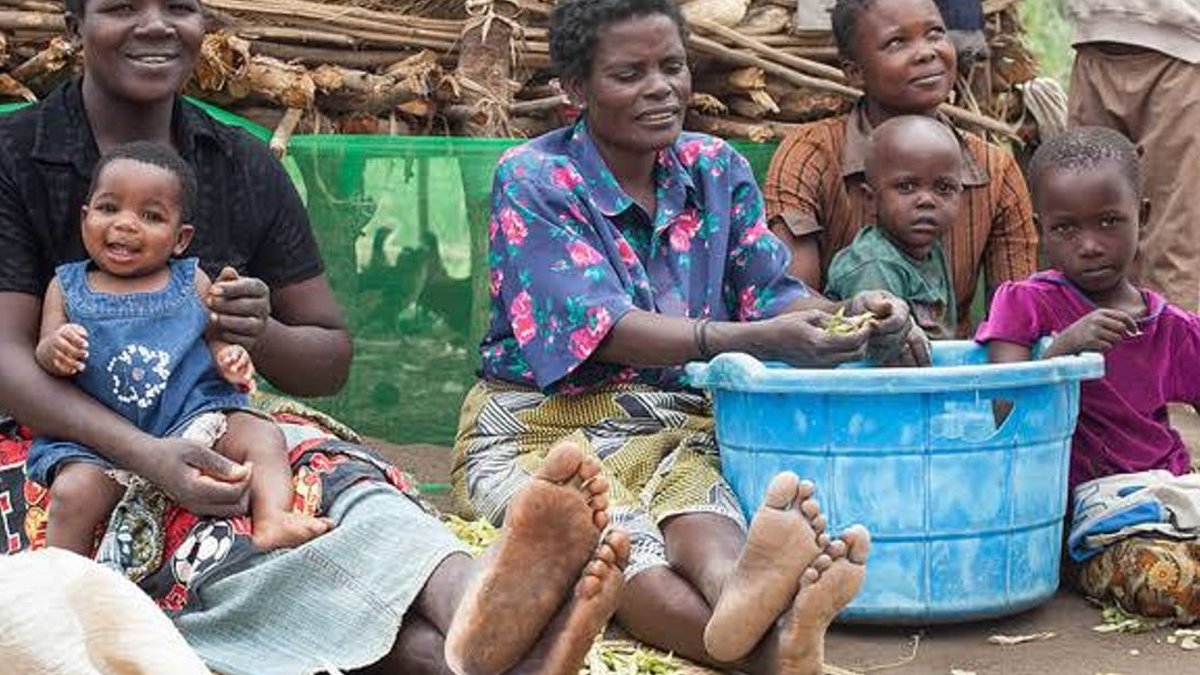
In Kamala village, where payments have already been made, the impact is visible: a teenager has started a makeshift cinema, a tailor has bought an electric sewing machine, and households are repairing roofs and expanding small shops. In contrast, nearby Sapali village, where payments have not yet been made, is quieter, with little economic activity.
This difference in economic activity is what the trial aims to measure. An earlier pilot in Malawi found that the share of recipients living above the extreme poverty line roughly doubled within a year of receiving transfers, with only modest local inflation. The new trial will test different payment sizes, cash paired with agricultural or education programs, and other variables to determine which approach works best.
The traditional aid model has been criticized for creating a cycle of dependency without building local capacity. Unconditional cash transfers, on the other hand, put the decision-making power in the hands of the poor. This approach has drawn support from billionaires Melanie Perkins and Cliff Obrecht, who believe that giving people choice is an effective way to spend their money.
Read Also: Kenya’s Presidential Jet Returns After Dutch Refurbishment
The experiment is not without risks and skeptics. A one-time cash infusion is not a substitute for functioning schools, clinics, or roads, and critics question what will happen when the payments and philanthropic dollars run out. Despite these concerns, the trial has the potential to produce a clear answer on the effectiveness of cash transfers and shape Malawi’s approach to poverty reduction.
Results from the trial, expected to be tracked over several years, may also influence how the aid industry thinks about the value of trusting the poor to make their own decisions. For a country that has seen little improvement in poverty statistics despite significant aid, a rigorous trial could be a meaningful return on investment. In Chiradzulu and Phalombe districts, the trial is already underway, with 230,000 adults set to receive cash transfers, and the outcomes will be closely watched.
Researchers will track the outcomes of the trial over several years, monitoring factors such as poverty rates, inflation, and economic activity. The trial’s design allows for comparisons between different approaches, including varying payment sizes and combinations with other programs.


Leave a Reply