
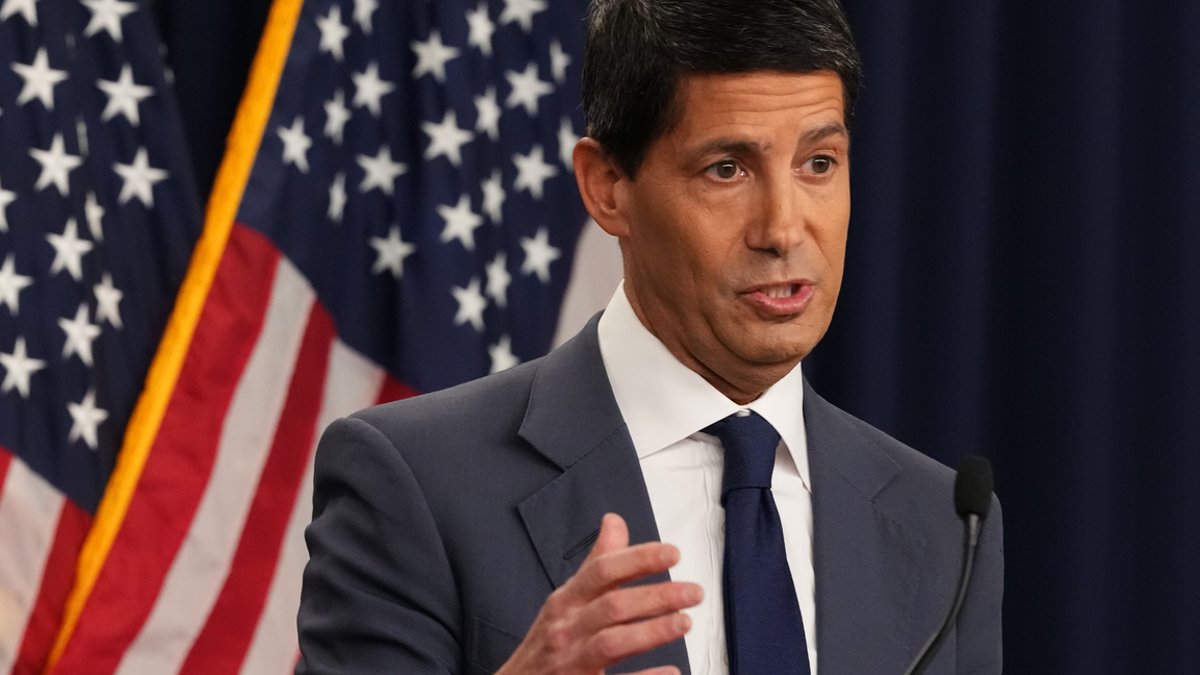
Korea’s chip boom has caught the attention of US Federal Reserve Chair Kevin Warsh, who highlighted the nation’s central role in global technology supply chains during a press conference Wednesday. As the Fed held its target rate steady at 3.75 percent to 4 percent, Warsh explained that South Korea serves as a critical indicator for the American economy, particularly regarding the feedstocks for new technological surges.
Tracking the Chips and Ships
“I would say I pay probably more attention to the Korean economy than you might think because when I am looking at the feedstocks effectively for this new surge in technology, a lot of it is coming from Japan and Korea, some from Singapore,” Warsh said.
The Fed chair noted that performance in Korea’s key exports, including semiconductors and automobiles, offers a gauge of the state of the US economy. He specifically mentioned Bank of Korea Gov. Shin Hyun-song, whom he described as a longtime friend and a “very talented guy.” The two first crossed paths during the global financial crisis, when Warsh was a Fed governor and Shin was an economist researching financial institutions’ balance sheets.
While the Fed paused its rate hikes, the Bank of Korea is expected to continue tightening its monetary policy. With the BOK’s base rate set at 3 percent, the gap between the key interest rates of the two nations stands at up to 1 percentage point. The central bank is anticipated to implement another rate hike at its Nov. 26 meeting.
Data Points for Policy
Just a month after its first 0.25 percentage point hike in July, the BOK’s second rate increase in August marked a swift tightening of monetary policy, with Shin describing the move as a “preemptive action.” The economic conditions prompting these hikes remain a concern, particularly as stronger-than-expected growth adds to the policy dilemma facing the central bank.
Korea‘s real gross domestic product grew 1 percent in the July-September period, more than three times the central bank’s earlier forecast of 0.3 percent. This growth was driven by semiconductor exports and facility investment. Real gross domestic income also surged 18.8 percent from a year earlier in the third quarter, marking its highest growth rate in over 48 years since 1977.
Consumer prices rose 2.9 percent year-on-year in September, remaining raised above the BOK’s 2 percent inflation target. BOK Senior Deputy Gov. Kwon Min-soo noted that external risks persist, including tensions in the Middle East and uncertainties surrounding investment in artificial intelligence. Kwon stated that the BOK would closely monitor domestic financial and foreign exchange markets amid major central bank decisions this week. The central bank is also watching the uncertainty over US policy after Tuesday’s midterm elections.


Leave a Reply