
U.S. Defense Secretary Pete Hegseth said the United States is preparing to conduct ground operations against drug cartels across Latin America, including Mexico, signaling a shift from maritime interdiction to direct land‑based action.
U.S. officials outline new strategy
During a recent trip to Panama, Hegseth told officials that the same tactics used to attack narcotics‑smuggling vessels would be applied to organizations that move drugs on the ground. “As we saw with attacks on drug‑running ships, the drug trafficking organizations will feel the same effect on land,” he said, adding that the United States is coordinating with Ecuador, Colombia and other allies.
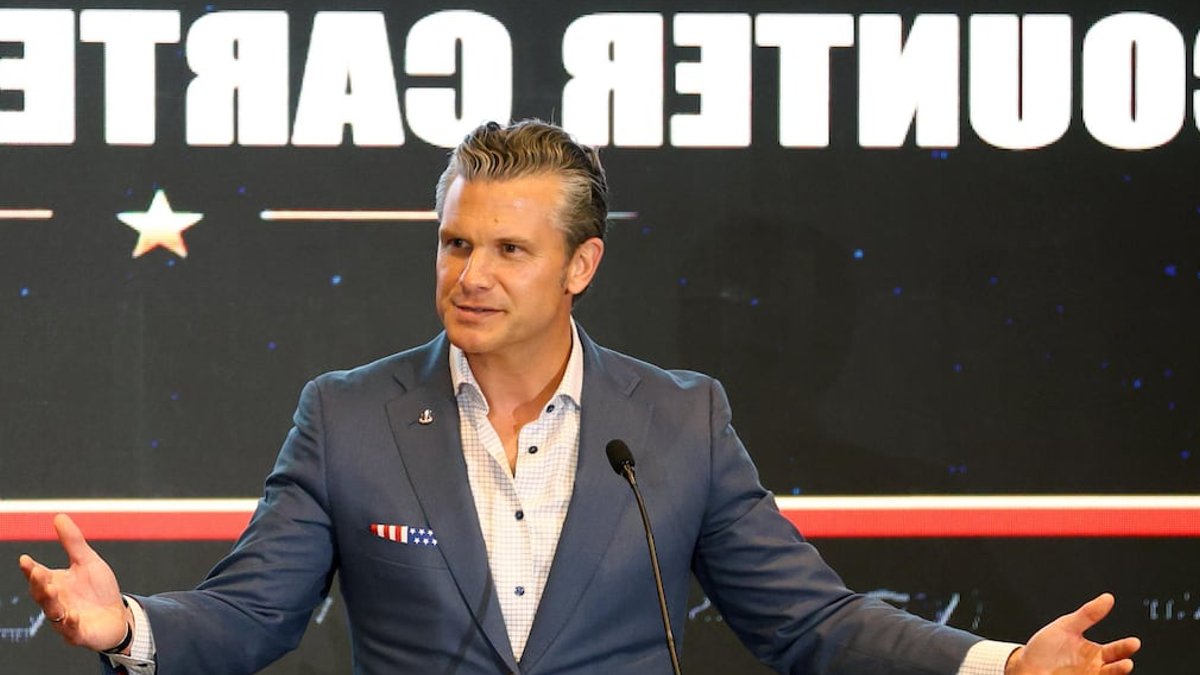
The announcement followed his participation in the Americas Coalition Against Cartels (A3C) forum, which Washington describes as the core operational hub of the “Shield of the Americas.” In his remarks, the secretary highlighted a 25‑year effort to refine a “chain of attack” aimed at dismantling criminal networks overseas, suggesting that the United States now wants to employ those capabilities with “the best American forces” in the region.
Colombia and Panama join the effort
Colombian President Abelardo de la Espriella gave the green light for “joint military operations” with the United States to combat what he called narcoterrorism. The agreement, announced at the same Panama forum, marks Colombia’s formal entry into the coalition against cartels.
While in Panama, Hegseth also met with President José Raúl Mulino and other regional leaders, taking part in a jungle exercise that demonstrated the kind of coordination Washington hopes to replicate elsewhere. The focus, according to the defense secretary, ranges “from the lowest levels of cocaine trafficking to fentanyl and the control of plazas in Mexico.”
Related: Navy helicopter makes emergency landing in Jalisco
He did not specify which Mexican groups would be targeted, leaving open whether the Jalisco New Generation Cartel, the Sinaloa Cartel or other designated terrorist organizations would face direct action.
According to the report, the warning applies to any individual or group that traffics drugs or harms U.S. citizens or allied nations. “If they’re involved in drug trafficking, they’re targets like ISIS or Al Qaeda,” he said, equating cartels with recognized terrorist threats.
For people living in areas where cartels have long held sway, the prospect of U.S. troops on the ground could mean a sudden increase in security presence, but also the risk of collateral damage and heightened violence as criminal groups respond to external pressure.
The United States has previously focused on maritime interdiction, sinking or seizing vessels carrying illicit cargo. The new direction suggests a broader willingness to engage in kinetic operations beyond the borders of the United States, a move that could change regional security conditions.
The plan raises sovereignty concerns.
Related: Probiotic foods boost digestion, study shows
U.S. officials stress that the initiative is not a unilateral effort. They point to cooperation with local forces, emphasizing that “the best American troops” will work alongside partner militaries. The plan, however, raises questions about legal frameworks governing cross‑border actions.
Critics note that past attempts to combat cartels through force have sometimes led to unintended consequences, including displacement of violence and civilian casualties. The announcement therefore invites scrutiny of how the United States will balance aggressive tactics with the need to protect non‑combatants.
In the coming weeks, the defense department is expected to detail operational parameters, including rules of engagement and coordination mechanisms with Latin American partners. The exact timeline for any ground missions remains unclear, as does the scope of involvement for each nation in the coalition.
One potential outcome is that regional governments may rely more heavily on U.S. intelligence and logistical support, shifting some of the burden of counter‑narcotics efforts onto American resources. This could accelerate the dismantling of certain trafficking routes, yet it may also strain diplomatic relations if operations are perceived as overreach.


Leave a Reply